November 8th, 2026
“When I think back on all the crap I learned in high school
It’s a wonder I can think at all
And though my lack of education hasn’t hurt me none
I can read the writing on the wall”
– from the song “Kodachrome” by Paul Simon
“Tamarack Waldorf School strives to spark curiosity and creativity in every child through hands-on, art- and nature-based education for a diverse community of students in the heart of Milwaukee.”
– the mission statement from Tamarack Waldorf School
“Imagination is more important than knowledge. Knowledge is limited. Imagination encircles the world.”
– Albert Einstein
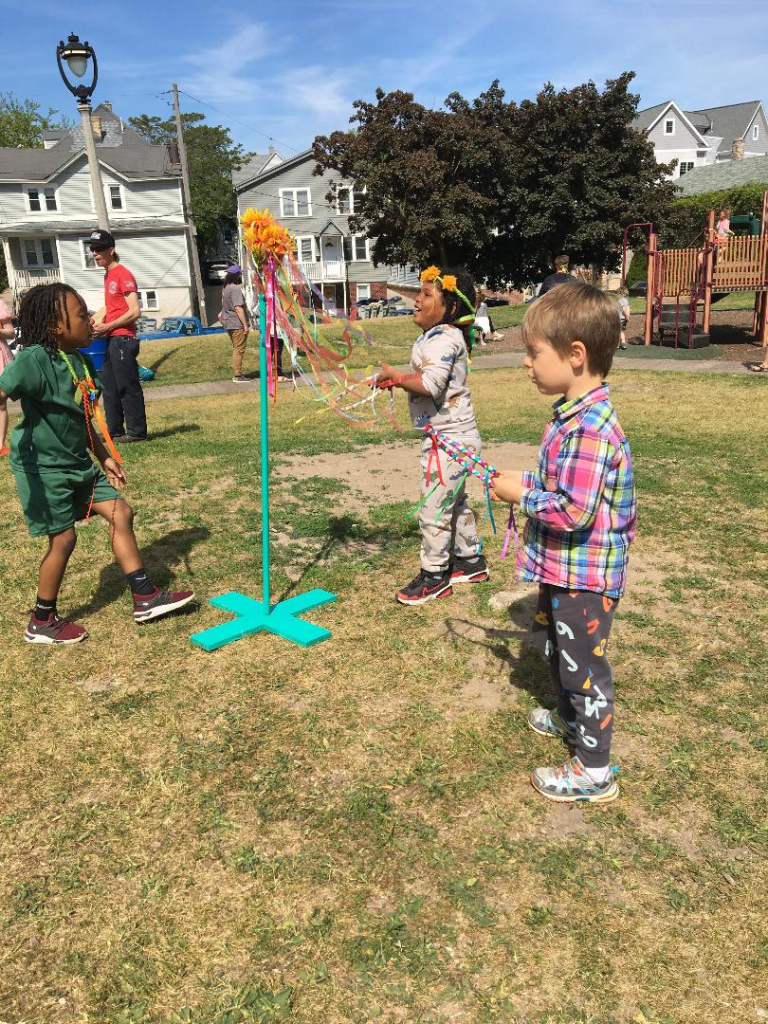
Our grandson, Asher, is in kindergarten at Tamarack Waldorf School. Waldorf education is a niche teaching philosophy/system. Very few parents know about it, and even fewer are willing to put their children into that pedagogical environment. Admittedly, Waldorf is not for everybody. Our three kids all went to Waldorf schools when they were young, a quarter century ago. None of them have forgiven us for sending them there. I think they all got something out of the experience, but they haven’t quite figured out what that might be. Waldorf is not like most other schools, whether they be public or private. My wife and I tried a number of different ways to educate our kids, and that included homeschooling for a few years. The kids all wound in public high school after spending some years in Waldorf. That was a function of the total lack of any Waldorf high schools closer than Chicago. If there had been a Waldorf high school in the Milwaukee area, they would have gone there.
So, how is Waldorf different from other educational systems? I don’t even know where to start. I guess it is best to begin by looking at the school’s goals. You probably read the Tamarack mission statement that posted earlier in this essay. Focus on the words “curiosity” and “creativity”. The faculty at Tamarack really and truly tries to encourage those two attributes. The teachers want to students to want to learn. They attempt to draw unique strengths and abilities out of each child. They do this with art, music, storytelling, and other activities that require imagination. Imagination is fundamental to the curriculum.
Do other schools do that? Maybe, but not nearly as much. At many other schools the primary goal is for the students to do well on standardized tests. The students are encouraged to compete against their peers, even in kindergarten. I believe that most schools are designed to satisfy the needs of corporate America. They often produce worker bees, but not individuals who can think for themselves. Our children are now adults who think independently. They look at the world from a different angle than most other people. They may not always make wise decisions, but they make them on their own.
Waldorf education has a spiritual underpinning. Waldorf schools are not religious schools, but it assumed that there is more than just the material world. There is more to life than working to acquire consumer goods. Nature matters. Humans of every color, culture, and creed matter. Being a compassionate person matters.
A teacher at a Waldorf school may not excel at everything. They are mere mortals like the rest of us. However, they care about their students and that concern shows in their work every day. Many years ago, when our daughter graduated from Tamarack, her long-time main teacher told the people attending the graduation ceremony a story. The teacher explained how she meditated on each of her students every night before going to bed. She added that, sometimes, a child from her class would appear to her in her dreams and tell her what they needed. I found that level of commitment to be amazing.
Now, it’s Asher’s turn to go to Tamarack. He is doing well in kindergarten thus far. He sings songs in the car that he learned in class. He draws and paints at home. He is constantly nagging my wife and me to tell him stories, and he actively participates in creating the narratives. He is slowly learning to read and do math on his own, without any pressure from us, and I think he is doing these things simply because he wants to. He wants to learn.
That’s a win.